About Diabetes
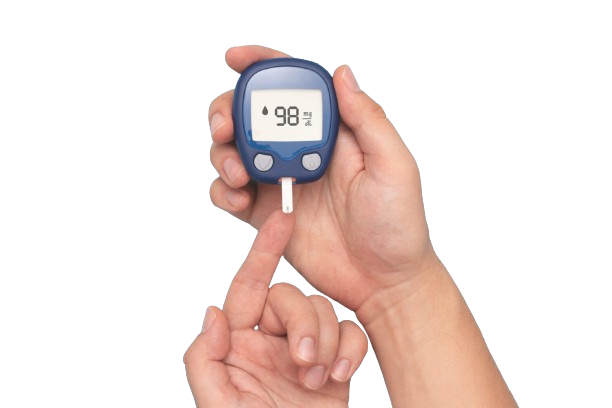
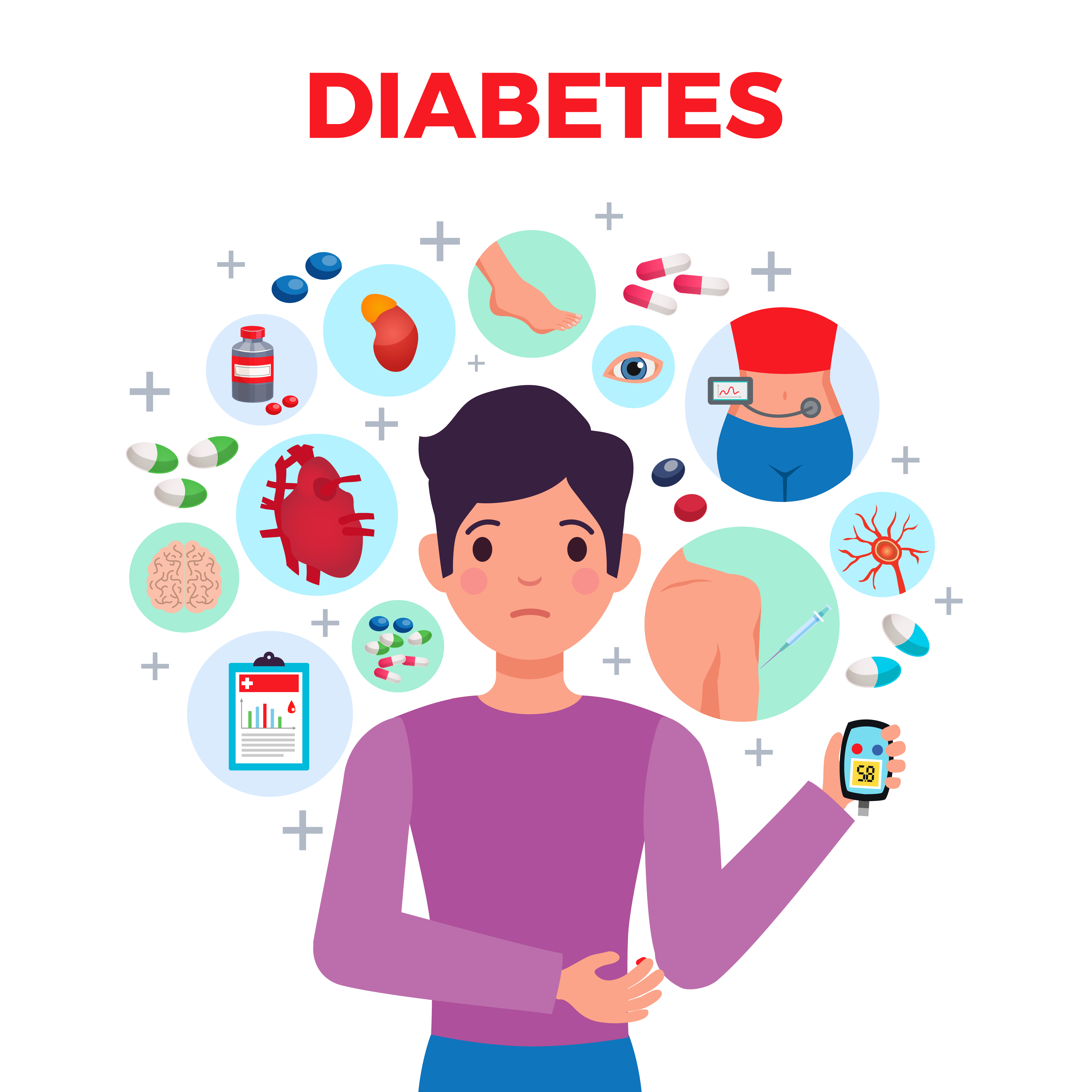
Diabetes
What is diabetes? Diabetes is a chronic condition that occurs when the pancreas can no longer make insulin, or the body cannot effectively use insulin.
Insulin is a hormone made by the pancreas that acts like a key to let glucose from the food we eat pass from the bloodstream into the cells in the body to produce energy. The body breaks down all carbohydrate foods into glucose in the blood, and insulin helps glucose move into the cells.
When the body cannot produce or use insulin effectively, this leads to high blood glucose levels, called hyperglycaemia. Over the long-term high glucose levels are associated with damage to the body and failure of various organs and tissues.


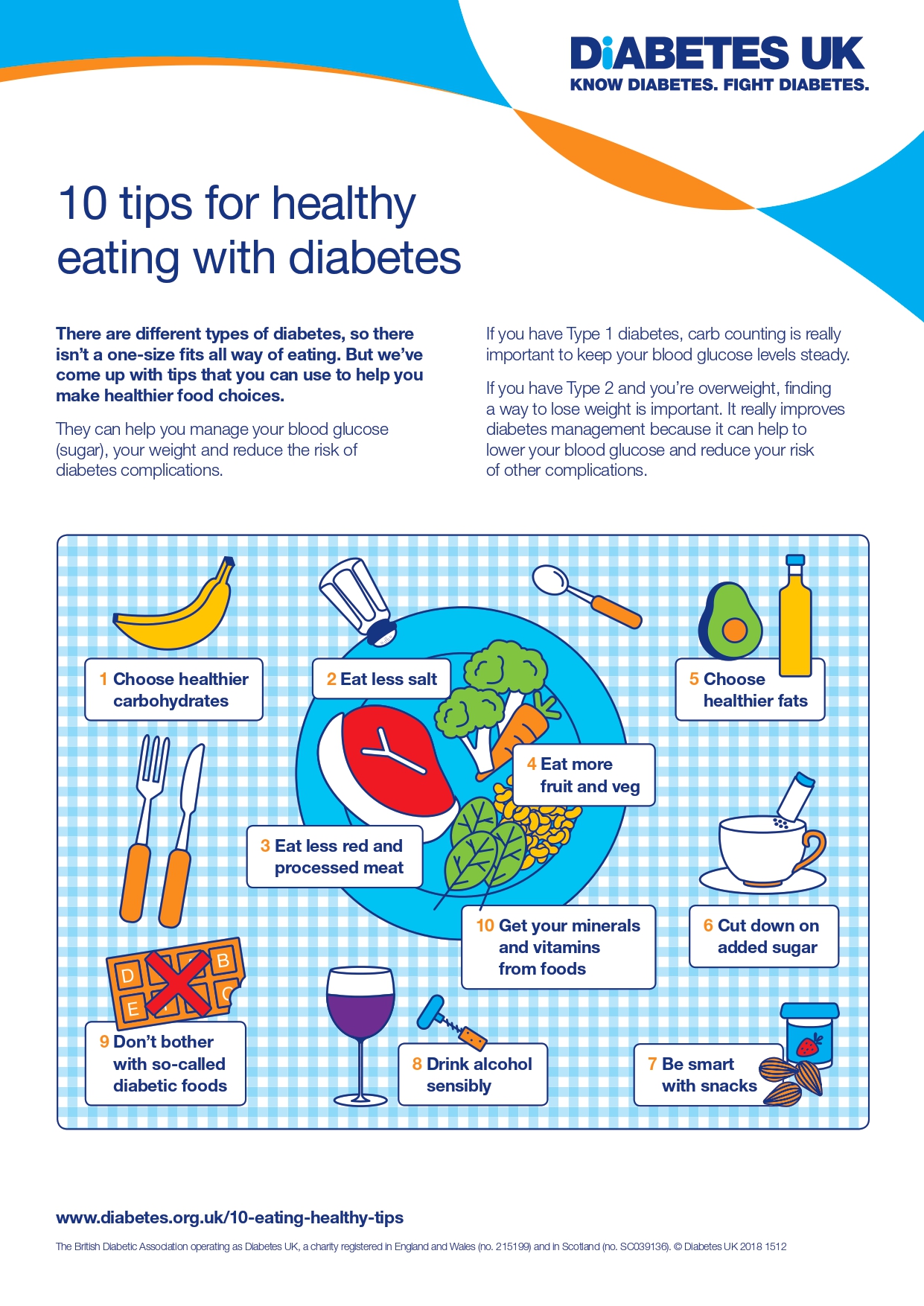
1
Increase micturation frequency and amount of urine (polyuria)
2
Increase thirst causing to increase drinking (polydipsia)
3
Excessive hunger or eat a lot (polyphagia)
4
Frequent urination with glucose in the urine (glycosuria)
5
Sudden significant weight loss